The short answer
Buying in a West Palm Beach historic district means the city reviews changes to the outside of the house. It does not review interior remodeling, paint color or planting. Small additions can be approved by staff, larger ones and new houses go to the Historic Preservation Board, and a house that contributes to its district is generally not approved for demolition. The zoning inside the districts also sets its own heights and lot coverage, which vary from one district to the next.
The city counts 18 local historic districts and 46 individually designated sites. If a house is in one, find out three things before you make an offer: which district, whether the house is contributing, and what exterior work has been approved before.
Contributing or not
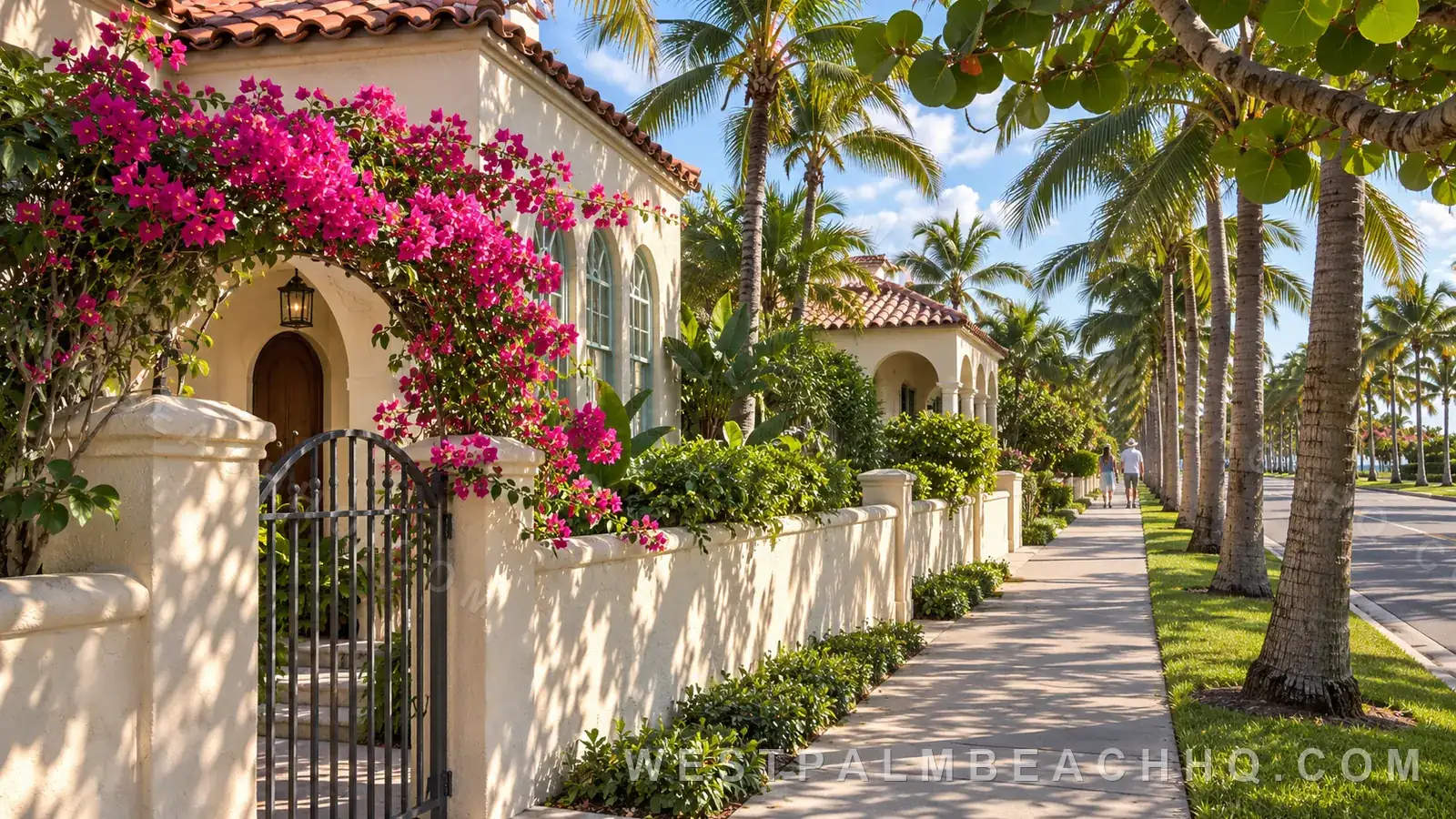
A contributing house adds to the historic significance of its district. A noncontributing one is either newer or so altered that it has lost that. The city reviews both. For a noncontributing house the review looks at size, massing and placement and at the effect on its neighbors.
The numbers show why the label matters. The National Register form for El Cid, written in 1995, counted 377 structures, 281 contributing and 96 not. The form for Flamingo Park, from 1999, counted 635 buildings, 460 contributing and 175 not. So in each of those districts something like a quarter of the buildings were not considered historic, and a buyer with rebuilding in mind is looking for one of them.
Labels can change. The city says a noncontributing property may become contributing if historic features are restored. And its code says a noncontributing house that is 35 years old or older, in a district last surveyed more than five years ago, must get an independent review before demolition to see whether it would now count. A 1960s house in an old district is not automatically a teardown.
Teardowns
Demolition inside a district needs the board's approval. The application for the new building is heard at the same time, and the demolition permit is not issued until the plans for both have every other approval. The board may delay a demolition for up to three months while alternatives are considered. The city's own FAQ says properties that contribute to a district are generally not approved for demolition.
The practical reading is that the price of a contributing house should be the price of a house, not of land. If a listing calls a house a building opportunity, ask the seller's agent for its status in writing and then ask the city's preservation staff the same question.
Additions and the small things
Exterior work is reviewed whether or not it shows from the street. The city's general rule is that an addition visible from the front and smaller than 10 percent of the existing footprint, or not visible and smaller than 20 percent, needs staff review only. Beyond that, plan for the board and its calendar.
Walls, fences, decks, patios, pergolas and sheds are reviewed by staff. Vinyl fences are not permitted in historic districts, and chain link is generally not, unless planting screens it. Wood and aluminum are allowed within the ordinary height and setback rules. Landscaping is not reviewed, but the city says a landscape permit is generally required when the work exceeds half of the improvement value.
Contributing buildings are exempt from the energy code under the existing building code, according to the city, and there is no city grant money for private owners at present.
The heights are different next door
The districts are zoned by context, and the numbers explain why two charming blocks can have different futures. Context 4, for Northwood Hills, Northwood Harbor, West Northwood and Vedado/Hillcrest, allows 24 feet overall and walls of only 13 feet at the side setback. It is written for blocks that are mostly one story.
Context 2 covers Flamingo Park, Belair inland, Northboro Park and the single-family parts of Grandview Heights and Mango Promenade. It allows 26 feet on lots of 5,000 square feet or more. Context 3, for inland El Cid, Old Northwood and inland Prospect/Southland Park, allows 30 feet on lots of 7,500 square feet or more, on a minimum lot of 6,000.
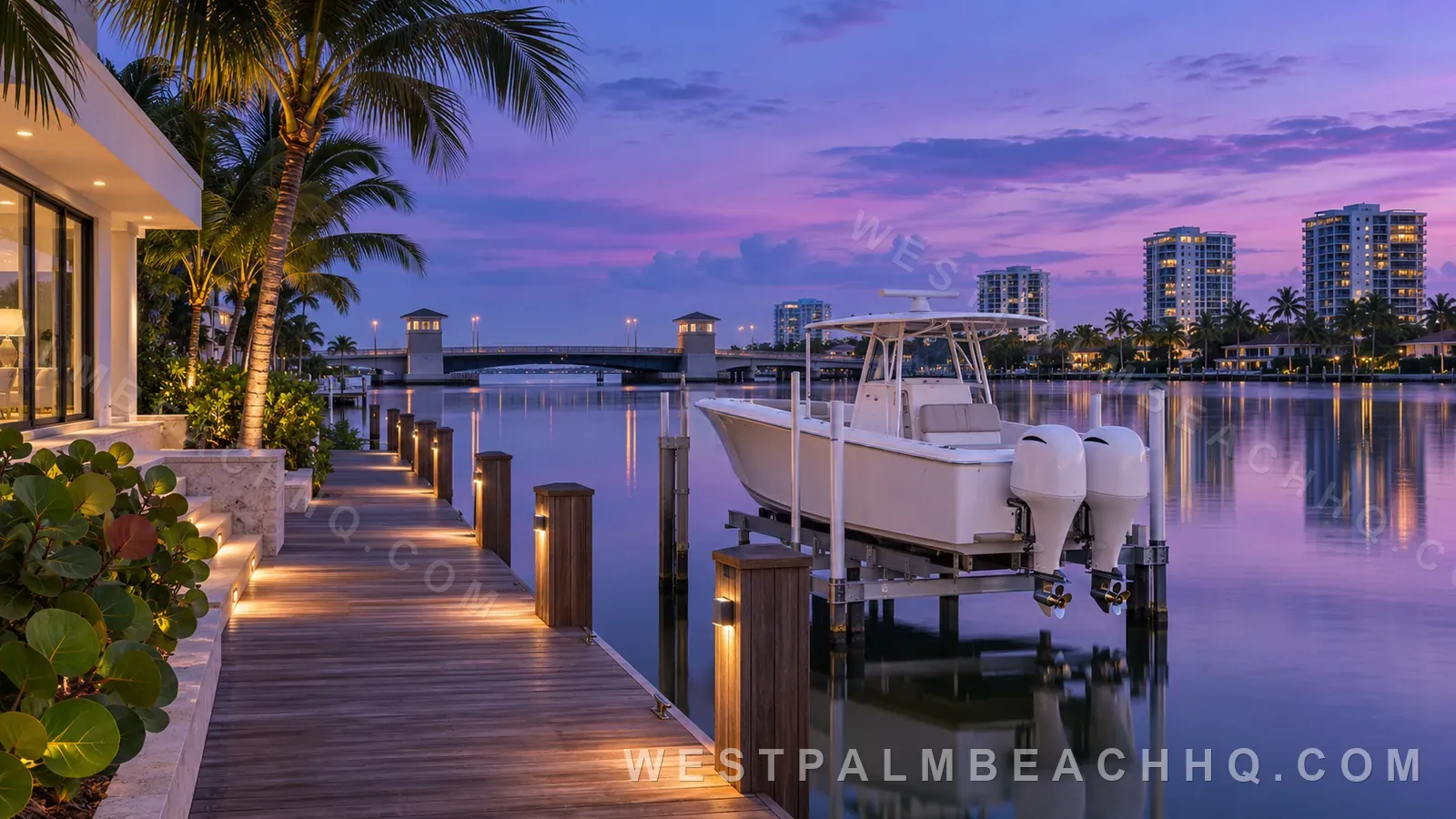
Context 5 is for the waterfront lots of Belair, El Cid and Prospect/Southland Park: 10,000 square feet, 75 feet of width, 30 feet of height, and coverage that falls from 35 percent to 25 percent as the lot grows. That last rule is the one that surprises lakefront buyers.
We keep the live listings beside these rules at El Cid, Prospect Park and Southland Park, Flamingo Park and Northwood. A caution on the last: Northwood is a plat of more than 1,200 houses that runs across more than one district, so the name on the listing does not settle which context applies.
The tax exemption, in the right order
The city and county offer an exemption on the increase in assessed value that comes from qualifying improvements, for up to ten years. It can cover restoration, rehabilitation, additions and alterations. The step people miss is the order: the application must come before any work starts. A buyer who closes in March, guts the porch in April and applies in May has missed it.
The exemption does not reduce the existing assessment, and it applies to city and county taxes only. If a seller mentions one in place, ask for the agreement and its end date, and ask what happens to it on a sale.
Before you offer
Ask for every certificate of appropriateness in the house's file, and compare the windows, roof, walls and fences you see with what was approved. Unapproved exterior work can become the buyer's problem. Ask whether the house is contributing, and get the answer from the city. Ask which context district the lot is in and measure your plan against its height, coverage and side setbacks.
Then budget for time. A renovation that a contractor can start in a month elsewhere may need a board date here. That is a cost, and it should be in the price.
Questions buyers ask about West Palm Beach historic districts
Does the city control paint colors in historic districts?
No, the city says it does not regulate paint color, although staff will suggest period palettes to owners who ask.
Can I tear down a house in El Cid or Flamingo Park?
Only with the Historic Preservation Board's approval, heard together with the plans for the new building, and the city says contributing properties are generally not approved for demolition.
Is there a property tax break for restoring a historic house?
Yes, an exemption of up to ten years on the added value from qualifying work, for city and county taxes, and the application must be made before the work begins.
Can I opt out of a historic district after I buy?
No, the city says owners cannot remove a property from a district once it is designated.
Where to go next
See what is for sale at $1M and up at Homes for Sale, and what closed recently at Recently Sold. If a lakefront lot is the goal, South Flagler Drive covers the houses outside the districts, where the dock and fence rules matter more than design review.
Sources and review scope
Sources checked 2026-11-23. The notes identify which facts each publication supports.
- City of West Palm Beach: Historic Preservation
18 locally designated historic districts and 46 individually designated sites.
- City of West Palm Beach: Historic Preservation FAQs
What is reviewed, the 10 and 20 percent addition thresholds, fences, demolition, contributing status, energy code and the tax exemption.
- City of West Palm Beach: Zoning and Land Development Regulations, Article II
Demolition certificates heard with new construction, the three-month delay and the 35-year independent review.
- City of West Palm Beach: Zoning and Land Development Regulations, Article III
The context districts, which historic districts each covers, and their lot, height, wall and coverage limits.
- National Park Service: El Cid Historic District nomination
377 structures in El Cid, 281 contributing and 96 noncontributing.
- National Park Service: Flamingo Park Historic Residential District nomination
635 buildings in Flamingo Park, 460 contributing and 175 noncontributing.
- Palm Beach County open data: Parcels and Property Details
The number of single-family houses in the Northwood Addition plats, queried November 23, 2026.
Written by
Publisher and editor, West Palm Beach HQ
West Palm Beach HQ is published by Eltherion, LLC. This article is not reviewed by a licensed real estate agent or broker and is not professional advice.